
For parents comparing Bobbie Organic Whole Milk Formula with Bobbie Grass-Fed Whole Milk Infant Formula, the decision is less about finding a nutritional winner and more about understanding what each label promises.
Based on information reported by hibobbie Blog, both formulas share the same broad whole milk foundation. The practical difference is mainly how the dairy and ingredients are sourced, certified, and priced.
Start With What Does Not Change
The most important point is that both products are presented as complete infant formulas designed to meet U.S. Food and Drug Administration requirements. According to hibobbie Blog, both options are made for infant nutrition during the first year and are built around whole milk rather than a skim or nonfat milk base.
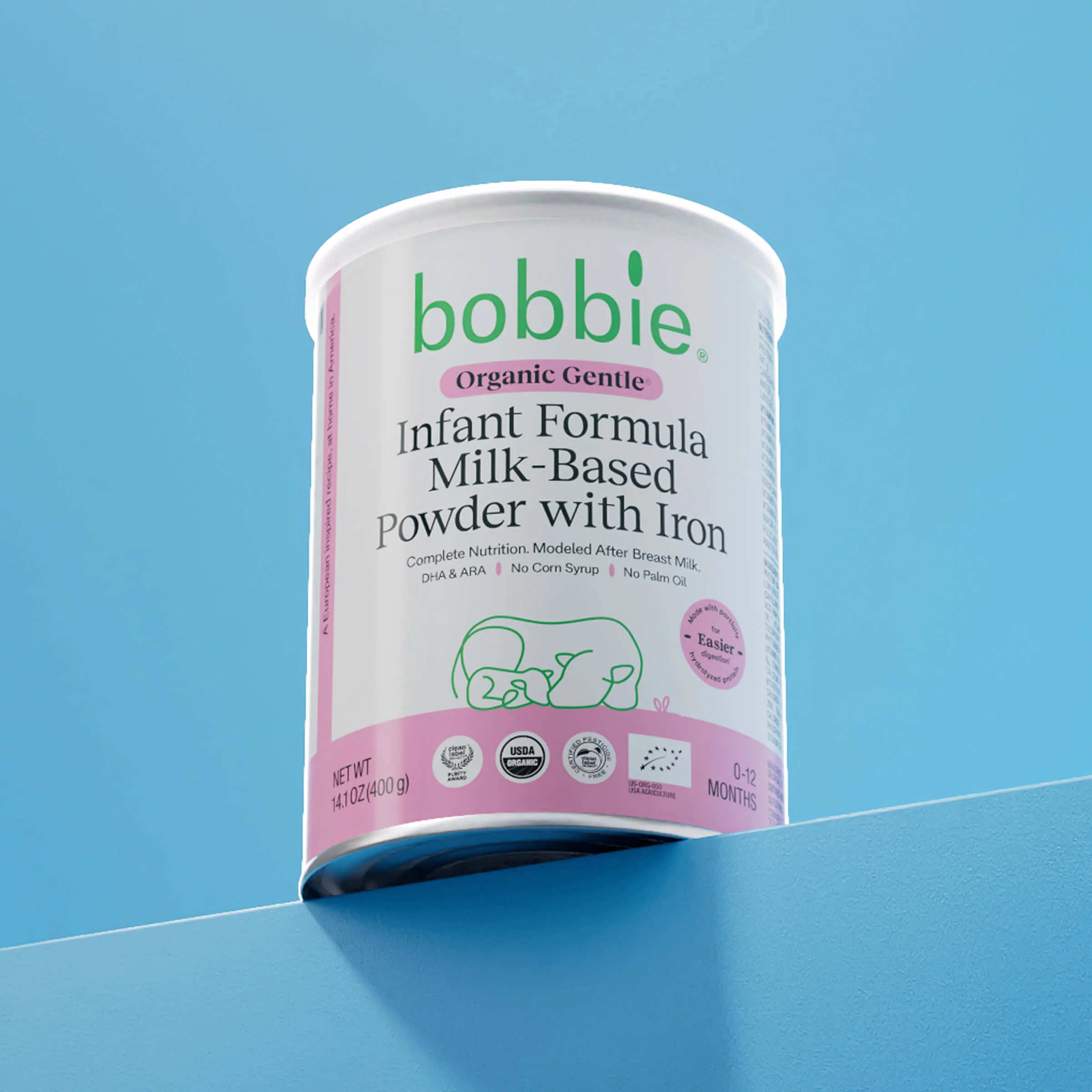
The source also reports several shared formulation details: both use lactose as the carbohydrate, include DHA and choline, contain naturally occurring milk fat globule membrane from whole milk, and avoid palm oil in the fat blend. The article also says both formulas are subject to quality and safety testing before release.
That matters because a parent comparing the two may be tempted to read the choice as organic equals more nutritious or grass-fed equals less complete. The source does not support that framing. Instead, it presents the two formulas as similar nutritionally, with different sourcing priorities.
Key Takeaways
- Both formulas are described by hibobbie Blog as whole milk-based infant formulas that meet FDA nutrition requirements.
- The Organic Whole Milk option carries USDA Organic certification and is tied to broader ingredient and production rules.
- The Grass-Fed Whole Milk option focuses on milk from cows fed primarily grass and forage, but it does not carry the USDA Organic seal.
- The source says there is no strong evidence that one provides better nutritional outcomes than the other for healthy, full-term infants when both meet FDA standards.
- The better fit depends on whether a family values organic certification, grass-fed sourcing, price, or routine access most.
What Organic Certification Adds
Organic is not just a loose description of the milk. As hibobbie Blog explains it, USDA Organic certification applies to a set of requirements across ingredients, farming, handling, and production.
The source reports that certified organic formula must have at least 95% organic agricultural ingredients. It also says cows must receive organic feed and graze on organic pasture, while synthetic pesticides, synthetic fertilizers, and antibiotics are prohibited in the system described. Farms and production facilities must also follow traceability, separation, audit, and documentation standards.
For families who already prioritize organic foods, that seal may offer a clearer decision path. It is a standards-based choice: the appeal is not that the formula is claimed to work differently in the body, but that the product is made under a more formal certification framework.
What Grass-Fed Sourcing Means Here
Grass-fed is narrower. In the source article, it refers to the diet and dairy sourcing of the cows rather than the full production system. hibobbie Blog describes Bobbie Grass-Fed Whole Milk Formula as using milk from pasture-raised herds where cows are primarily fed grass and forage.

That distinction is useful because organic and grass-fed can sound interchangeable, but they answer different questions. Organic asks how ingredients are grown, handled, and certified. Grass-fed asks what the cows producing the milk are mainly eating.
The source also frames the grass-fed option as the more affordable of the two, reporting that without the USDA Organic seal it is priced at less than $1 per 4 oz. bottle. That price detail is attributed to the source and may matter for families who are balancing ingredient preferences with the repeated cost of formula feeding.
Why Whole Milk Is Part Of The Appeal
Both formulas are part of the same broader trend toward whole milk-based infant formula. The source explains that whole milk formulas retain more naturally occurring milk fat than formulas made with skim or nonfat milk. That can reduce the amount of added plant-based oils needed to meet infant fatty acid requirements.
Parents drawn to this category may be looking for a formula that keeps more milk fat in the blend, includes MFGM from whole milk, and relies on lactose rather than corn syrup or maltodextrin. According to hibobbie Blog, both Bobbie options meet those preferences, so the whole milk question does not separate the two products.
How To Make The Choice Practical
A useful way to decide is to name the priority before reading another label. If third-party organic standards and supply-chain rules are most important, the Organic Whole Milk formula better matches that preference. If pasture-based dairy sourcing and lower cost matter more, the Grass-Fed Whole Milk formula may be the more practical fit.
Parents should also consider consistency. Formula decisions are not only about ingredient philosophy; they are about what can be bought, restocked, and used reliably. The source notes that Bobbie offers subscription delivery and retailer availability, but the everyday question is simpler: which option can a family keep on hand without added stress?
For a healthy, full-term baby, the source presents both as nutritionally complete options. Families with medical concerns, feeding difficulties, allergies, prematurity, or special nutrition needs should bring the label and questions to a pediatric clinician. For everyone else, this comparison comes down to values, budget, and confidence in the bottle routine.
Inspired by this post on hibobbie Blog.