Blog Posts
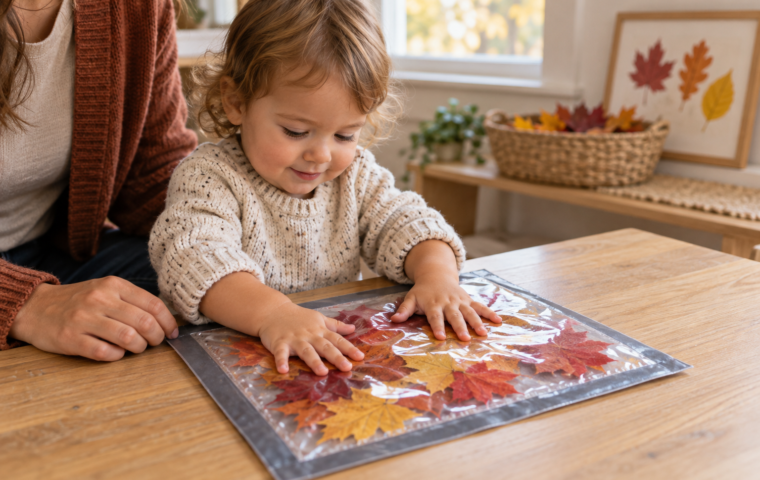
Autumn Leaf Sensory Crafts for Babies and Toddlers
Turn leaves from an autumn walk into safe, low-prep sensory play with readiness-based setups, four simple crafts, and clear cleanup cues.
Browse the journal
Turn leaves from an autumn walk into safe, low-prep sensory play with readiness-based setups, four simple crafts, and clear cleanup cues.
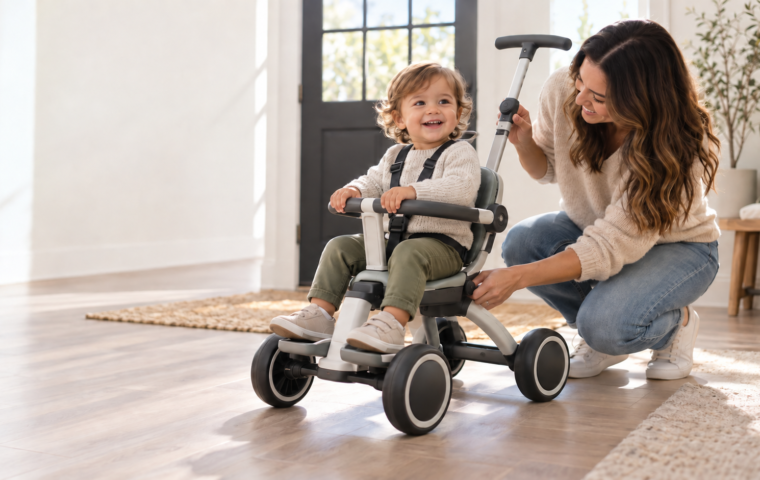
Use this fit, safety, conversion and storage checklist to choose a ride-on your child can enjoy now and through the next realistic stage.
An age-aware approach to naming feelings, holding boundaries, guiding toddler meltdowns, and modelling repair from birth to age three.
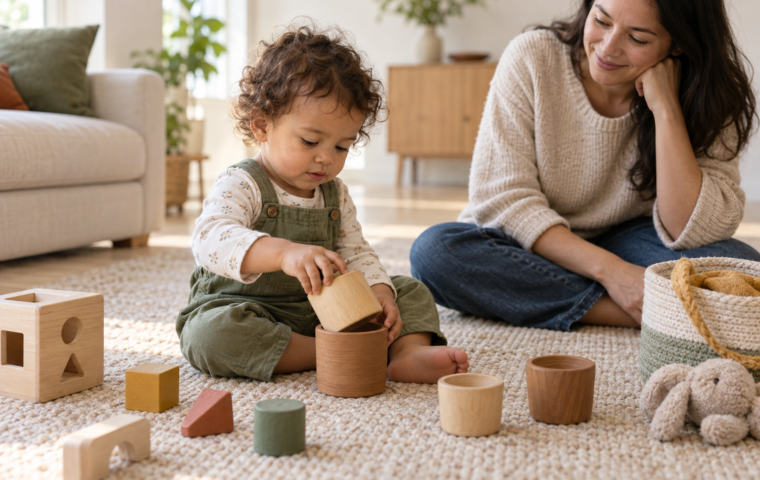
Learn how to match developmental toys to your toddler’s current interests, choose the right challenge and set up safer, richer play.
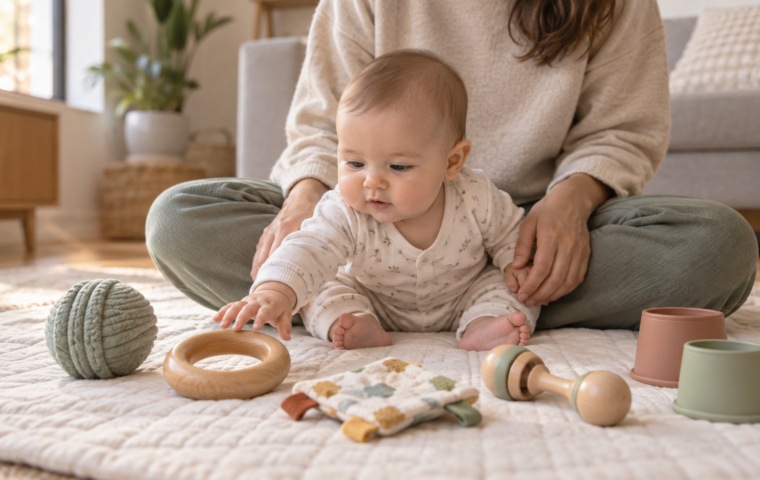
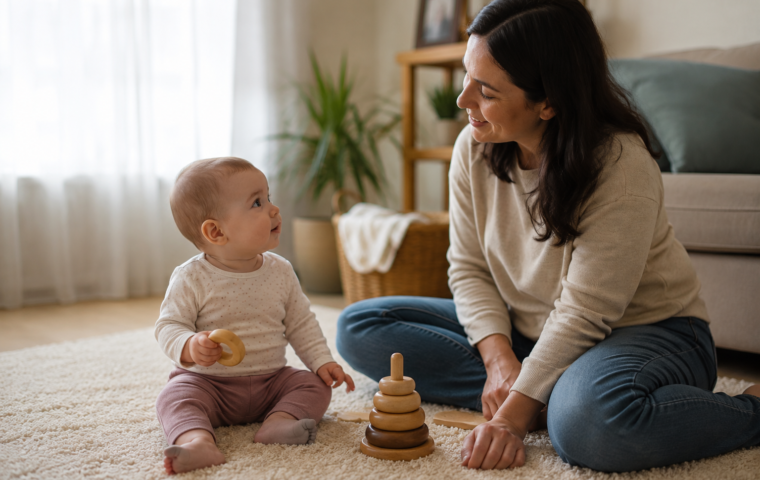
Choose safe, stage-matched toys for a six-month-old, then use simple floor play to support grasping, movement, cause and effect, and connection.
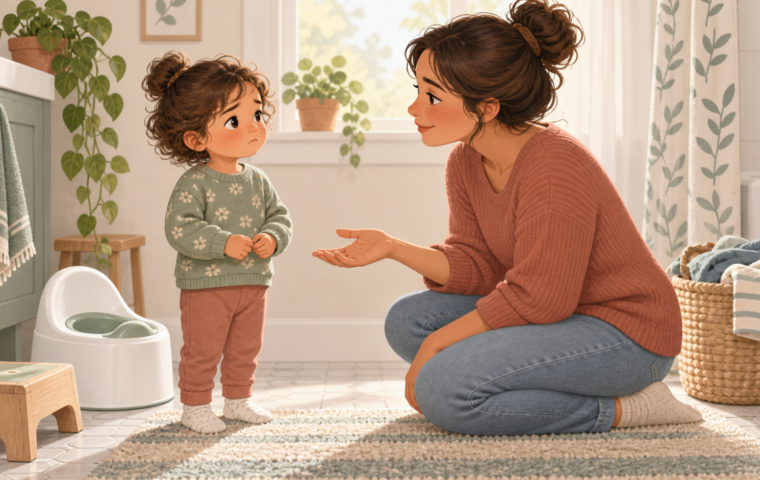
Learn how to spot readiness, decode accidents, ease toilet fears, manage regression, and decide when a potty-training pause makes sense.
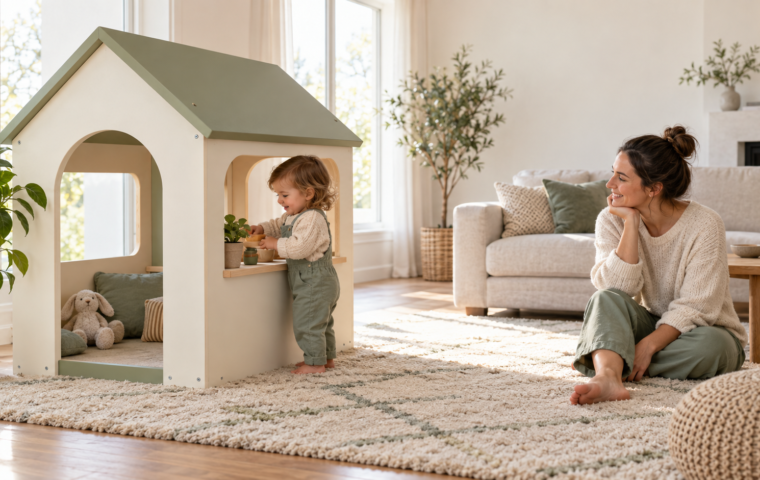
Choose a playhouse by developmental fit, usable footprint, sightlines, materials and a hands-on safety check before your child moves in.
Learn which feeding signs matter, what a proper tongue-tie assessment includes, and when support or frenotomy may be reasonable for your baby.
Learn which everyday behaviours can signal growing trust, how cues change from newborn to toddler, and how to respond without making them a test.
Learn to distinguish a depleted day from persistent low responsiveness, then build a safer and more connected care plan for your young child.
Choose a clock that fits your child’s stage, then teach its cue through a safe, predictable routine that supports more independent mornings.
Understand what family traits can predict, why siblings differ, when newborn hair and eyes may change, and how to read early size without overinterpreting it.
From birth till the first flush
Log diapers, feeds, sleep and more in one calm place—then notice the gentle patterns in your baby’s day.